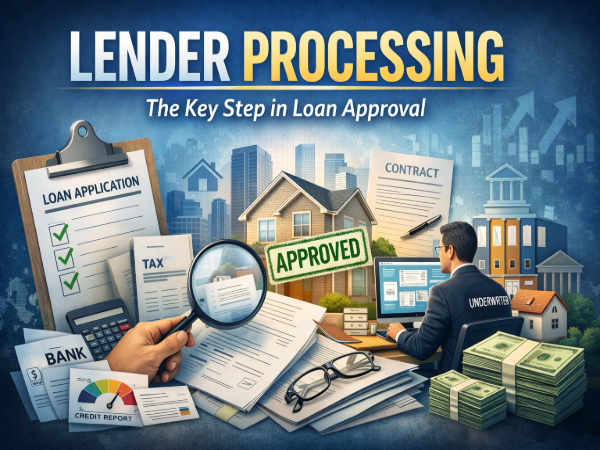
Lender processing is a crucial stage in the loan approval journey where a borrower’s financial information, credit history, and supporting documents are carefully reviewed, verified, and organized before submission to underwriting. This step ensures that every detail in the loan application is accurate, complete, and compliant with regulations. By facilitating a smooth review process, lender processing helps lenders make informed decisions while guiding borrowers closer to securing their loans efficiently.
What Is Lender Processing?
Lender processing, also known as loan processing, is the essential stage between loan application submission and underwriting. During this stage, lenders or professional loan processors review all financial and personal information provided by the borrower, verify its authenticity, and organize it for underwriting. This process is fundamental to ensuring that the loan application meets all regulatory requirements and internal lending standards.
Unlike the loan application stage, where the borrower submits information, lender processing is handled by experts who examine the details closely. It is designed to protect lenders from potential risk, prevent errors, and make the underwriting process more efficient.
The Importance of Lender Processing
Lender processing plays a pivotal role in the lending ecosystem. Its importance can be summarized in the following ways:
-
Accuracy and Verification – Ensures all borrower information is correct and verifiable.
-
Compliance with Regulations – Confirms the application meets federal, state, and internal guidelines.
-
Risk Management – Reduces the chances of approving loans that borrowers may default on.
-
Smooth Underwriting Process – Prepares a well-organized loan file for the underwriter, saving time and avoiding delays.
-
Enhanced Borrower Experience – Streamlines the loan journey and helps borrowers understand requirements clearly.
By addressing these areas, lender processing ensures that both lenders and borrowers experience a secure and efficient loan journey.
Steps Involved in Lender Processing
Lender processing involves a series of steps that systematically prepare a loan for underwriting. These steps include:
Collecting Borrower Information
The first step is gathering all necessary documents from the borrower. This may include:
-
Income statements and pay stubs
-
Bank statements
-
Tax returns
-
Identification documents
-
Employment verification
The completeness and accuracy of these documents are critical because missing or incorrect information can delay the process.
Verification of Information
After collection, the lender verifies the authenticity of each document. Verification may involve:
-
Checking income and employment details with employers
-
Confirming bank statements with financial institutions
-
Reviewing tax documents for consistency
This step ensures that all information provided is accurate and truthful, which protects the lender and the borrower.
Reviewing Creditworthiness
Credit checks are an integral part of lender processing. The borrower’s credit score, credit history, outstanding debts, and payment patterns are analyzed to determine financial reliability. A strong credit profile increases the chances of approval, while red flags may require further review.
Ordering Third-Party Reports
Lender processing often requires additional reports to evaluate the loan:
-
Property appraisals
-
Title searches
-
Flood certificates
-
Insurance verification
These reports ensure that the asset or property being financed meets lending standards and regulations.
Organizing the Loan File
Once all documents and reports are collected and verified, the processor organizes the loan file for the underwriter. Proper organization includes:
-
Categorizing documents logically
-
Highlighting key borrower details
-
Ensuring all compliance requirements are documented
A well-prepared file reduces the likelihood of delays during underwriting.
Managing Underwriting Conditions
If the underwriter identifies missing information or requires clarification, the processor works with the borrower to provide additional documentation. This step ensures that all underwriting conditions are satisfied promptly, facilitating smooth loan approval.
Roles Involved in Lender Processing
Lender processing involves multiple professionals working together to ensure a seamless loan journey:
-
Loan Processor: The main person responsible for collecting, verifying, and organizing documents.
-
Loan Officer: The initial point of contact for the borrower, guiding them through the application.
-
Underwriter: The professional who reviews the processed loan file to make the final approval decision.
-
Third-Party Services: Appraisers, title companies, and credit agencies that provide necessary verification reports.
Each participant ensures that the loan processing stage is thorough, accurate, and efficient.
Common Challenges in Lender Processing
Despite its importance, lender processing can face several challenges:
-
Incomplete Documentation – Borrowers may not provide all required documents.
-
Delayed Verifications – Employment, bank, or tax verification can take longer than expected.
-
Credit Discrepancies – Errors in credit reports may require additional investigation.
-
Complex Regulations – Complying with state and federal rules can be demanding.
Effective communication between borrowers, processors, and underwriters helps overcome these challenges.
Tips for Borrowers to Ensure Smooth Lender Processing
Borrowers can play an active role in speeding up the lender processing stage:
-
Provide complete and accurate documentation upfront.
-
Respond promptly to requests for additional information.
-
Maintain a good credit history and address any discrepancies beforehand.
-
Communicate clearly with the loan officer and processor.
Following these practices helps reduce delays and increases the chances of a smooth loan approval.
Technology and Lender Processing
Modern lenders increasingly use technology to streamline the processing stage. Tools such as automated document verification, credit scoring software, and digital file organization systems can:
-
Reduce human errors
-
Speed up verification
-
Track application progress in real time
-
Enhance security and compliance
Technology ensures that lender processing is faster, more efficient, and transparent for both lenders and borrowers.
Lender Processing in Different Loan Types
Mortgage Loans
For mortgage loans, lender processing is critical due to large loan amounts and complex regulations. It involves property appraisals, title verification, and income validation to ensure the borrower can repay the loan.
Personal Loans
Personal loan processing is generally simpler, focusing on creditworthiness and income verification. However, accuracy and compliance remain essential.
Business Loans
Business loan processing may include reviewing financial statements, business plans, and tax returns. The process is more detailed due to the higher risk and complexity of business lending.
How Long Does Lender Processing Take?
The duration of lender processing depends on multiple factors:
-
Type of loan (mortgage vs. personal vs. business)
-
Completeness of borrower documentation
-
Efficiency of verifications and third-party reports
-
Lender’s internal workflow
Typically, processing can take anywhere from a few days for simple loans to several weeks for complex mortgage applications.
Benefits of Effective Lender Processing
Effective lender processing benefits both borrowers and lenders:
-
For Lenders: Minimizes risk, ensures compliance, and streamlines underwriting.
-
For Borrowers: Reduces delays, provides clear guidance, and increases the likelihood of loan approval.
A thorough lender processing stage is a win-win situation, fostering trust and efficiency in the lending process.
Conclusion
Lender processing is an indispensable step in the loan approval journey. By carefully reviewing, verifying, and organizing a borrower’s financial information and supporting documents, lenders can make informed decisions while borrowers move closer to securing their loans. As loans become more regulated and documentation requirements increase, lender processing remains a critical mechanism to ensure accuracy, compliance, and efficiency in lending. For borrowers, understanding this stage can help them prepare better and contribute to a faster, smoother loan approval process.